
SOUTHCOM is seeking an unmanned river-reconnaissance system that could combine surface, aerial and subsurface autonomous platforms, Gen. Francis Donovan told Breaking Defense. The proposed mission is to understand how criminal networks use rivers and identify sites hidden by foliage where narco-vessels are assembled. Breaking Defense reports on the river-system requirement and mission.
The reporting describes a mission concept, not a demonstrated river capability. It does not identify the proposed platforms’ sensors, communications links, autonomy modes or method for handing decisions to operators. Donovan did say SOUTHCOM wants systems tailored to its operating environment and invited industry and other agencies to test platforms at the command’s Guantanamo Bay facility.
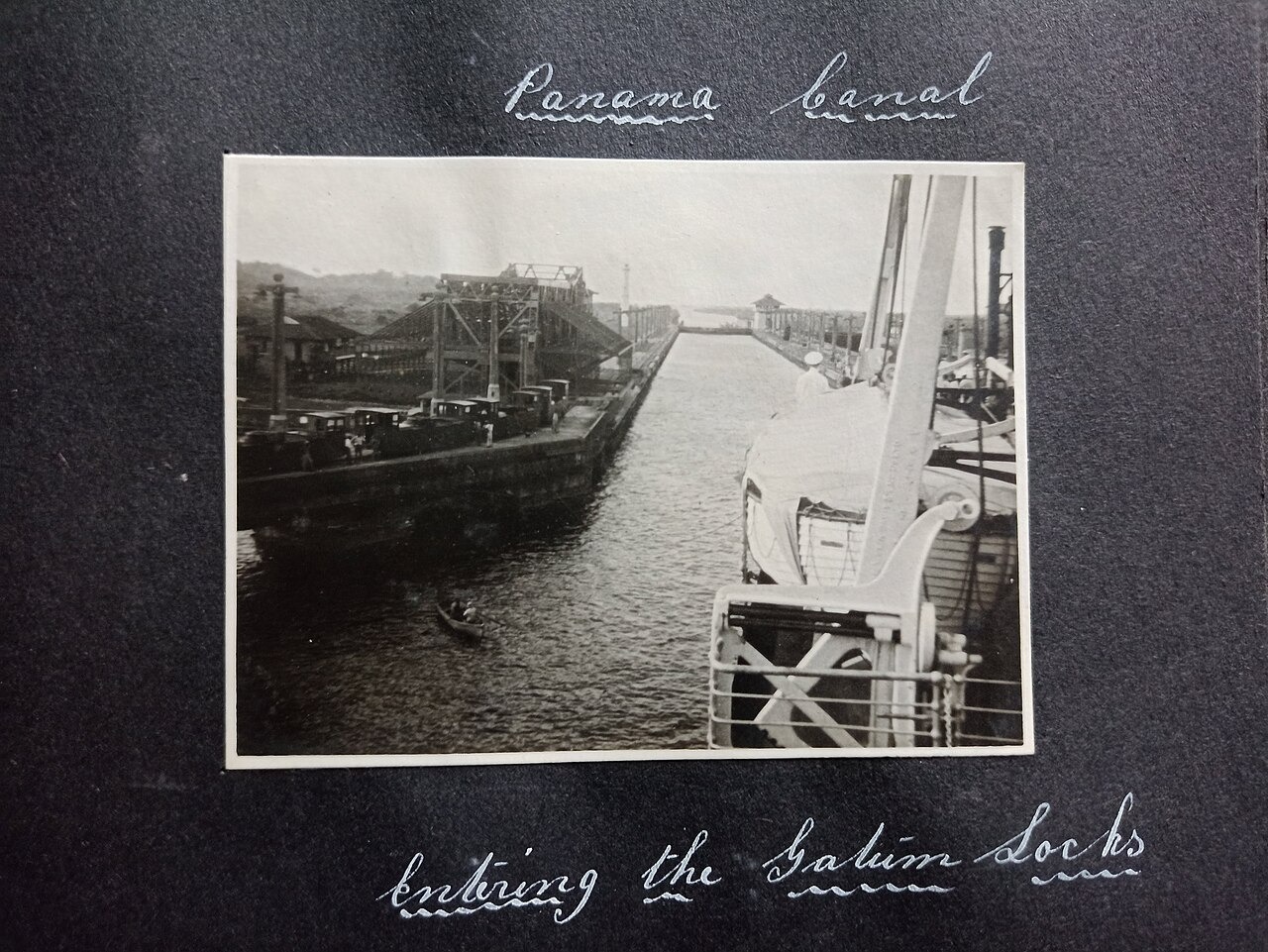
Donovan separately said Saronic Corsair unmanned surface vessels had been moved to Guantanamo and deployed on both sides of the Panama Canal, where he said they were assisting local forces in counternarcotics operations and supporting canal security. That is a reported operational use of an existing surface vessel, not evidence that the proposed river-reconnaissance architecture has been built or fielded. The claim comes from Donovan through Breaking Defense; the fetched report provides no independent performance measurements or details of the vessels’ control arrangements. The same report distinguishes the canal deployment from the proposed river system.
A prior interview provides the clearest available indication of how SOUTHCOM intends to control such systems. Donovan said the command is focused first on an operational data environment in which personnel and partner forces could use different robots through shared data layers, rather than being locked to one vendor or service stack. He also said there is always someone involved with autonomous systems, even as authority is delegated toward the tactical edge. Defense One records Donovan’s description of the data architecture, open-architecture goal and continuing human involvement.
The current development is therefore a command requirement and reported employment of surface vessels—not proof of autonomous river navigation, persistent reconnaissance or combat effectiveness. Those technical and operational questions remain unverified in the available reporting.